
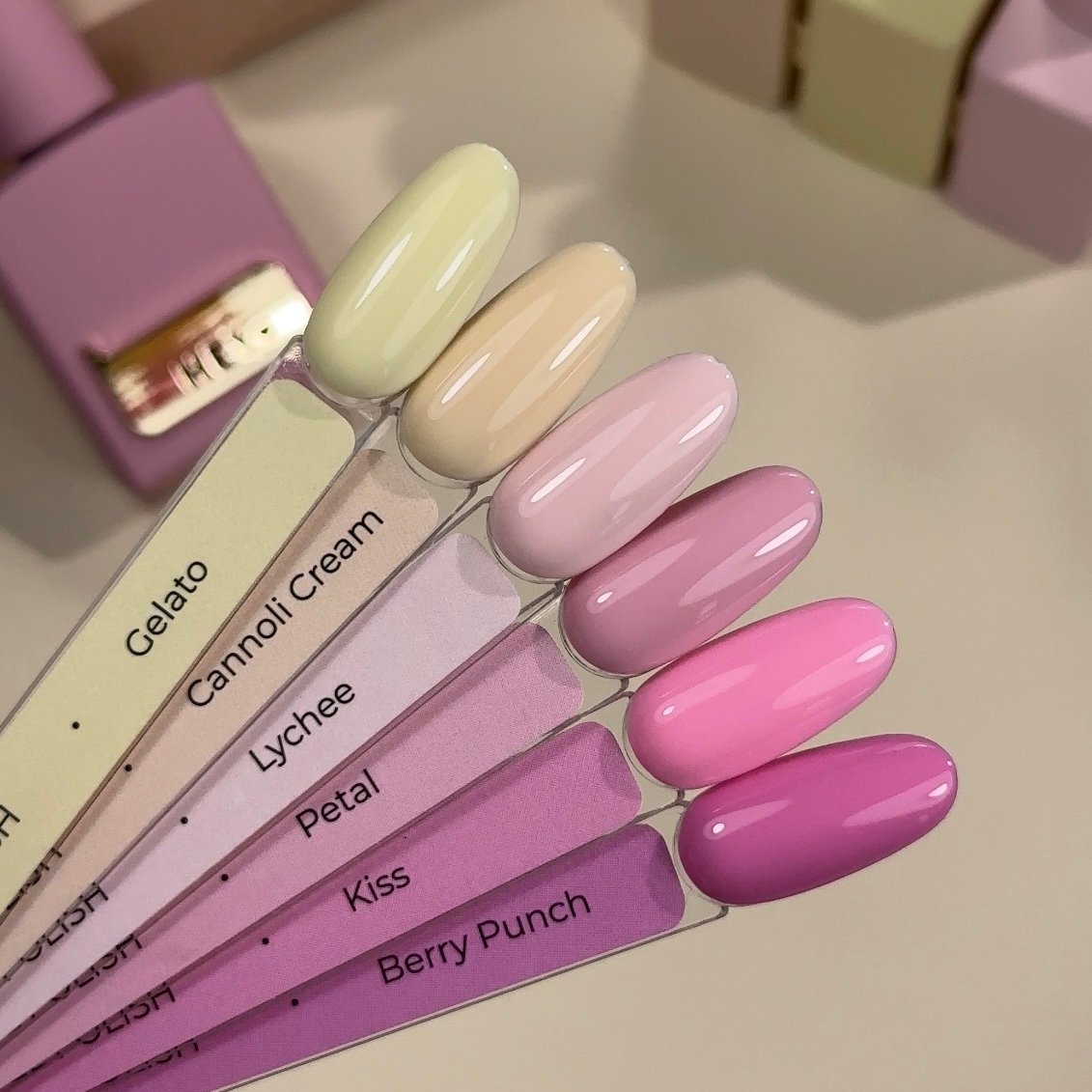
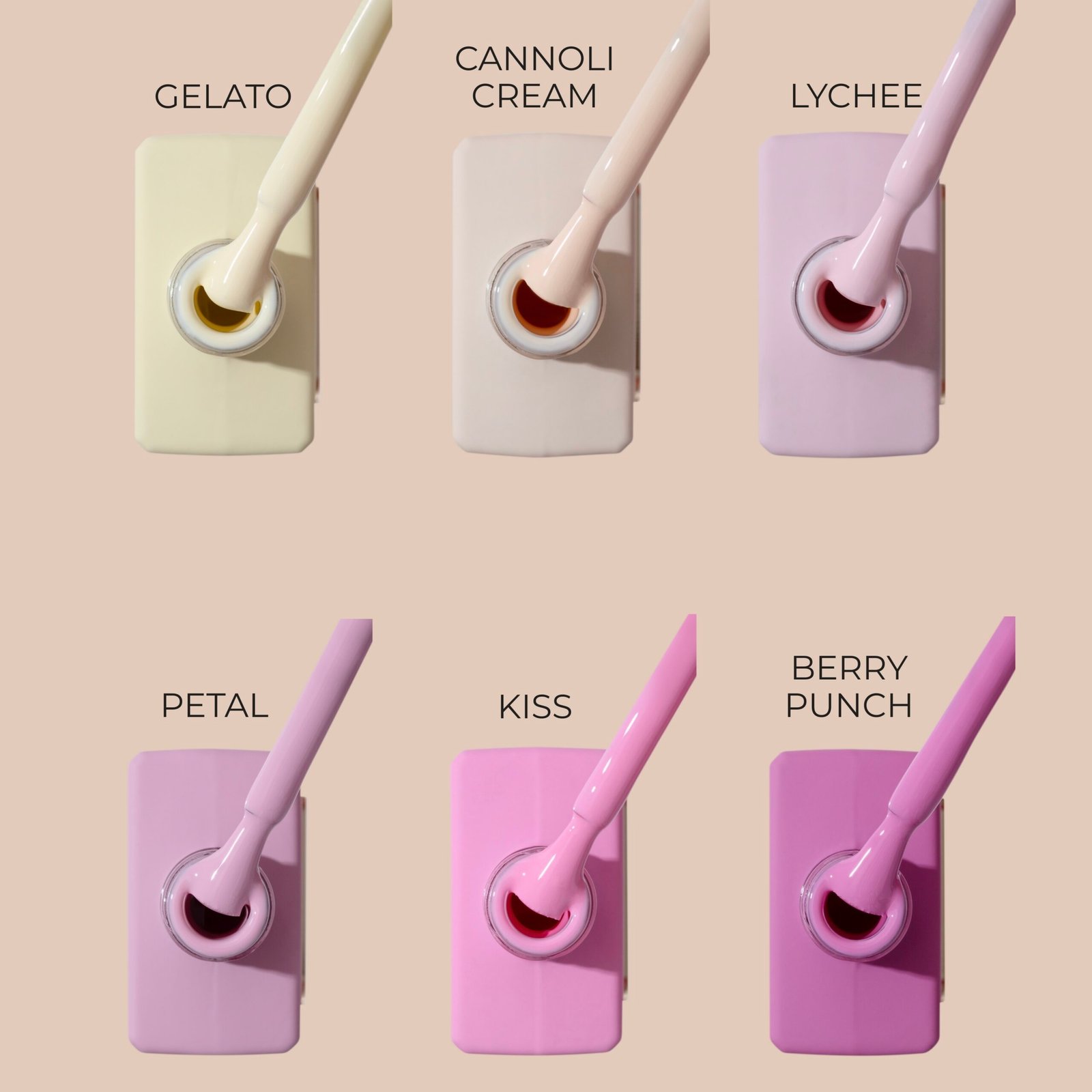
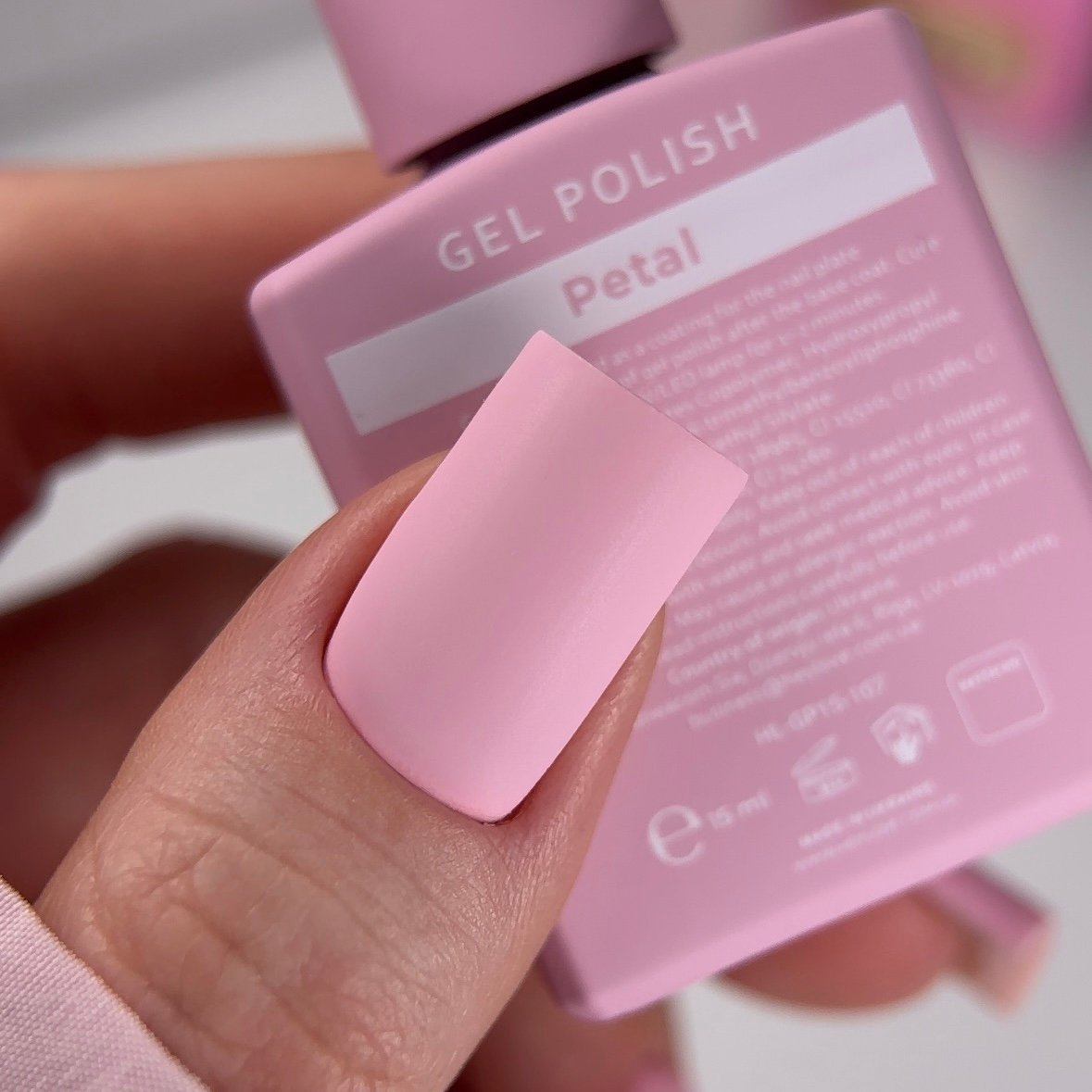
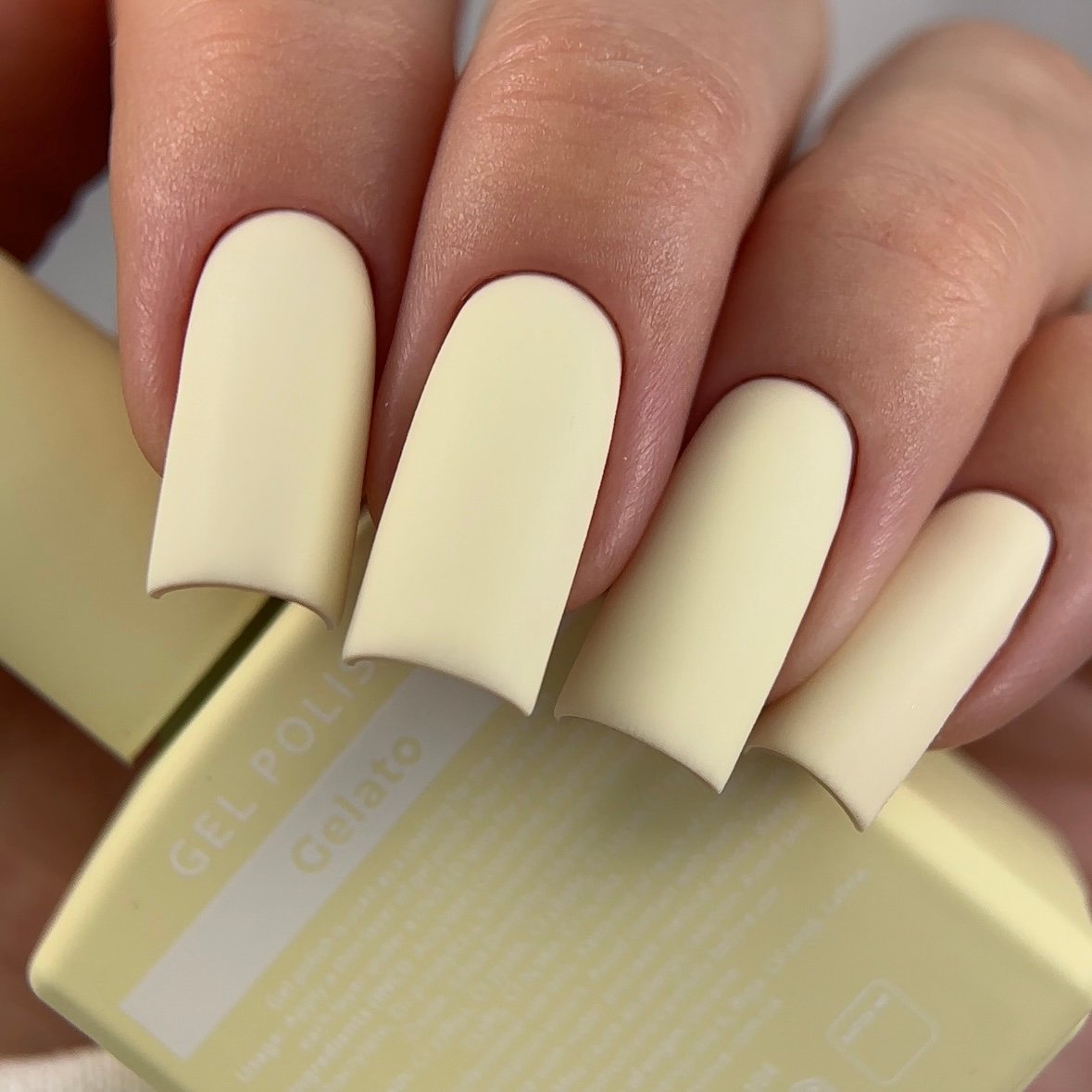
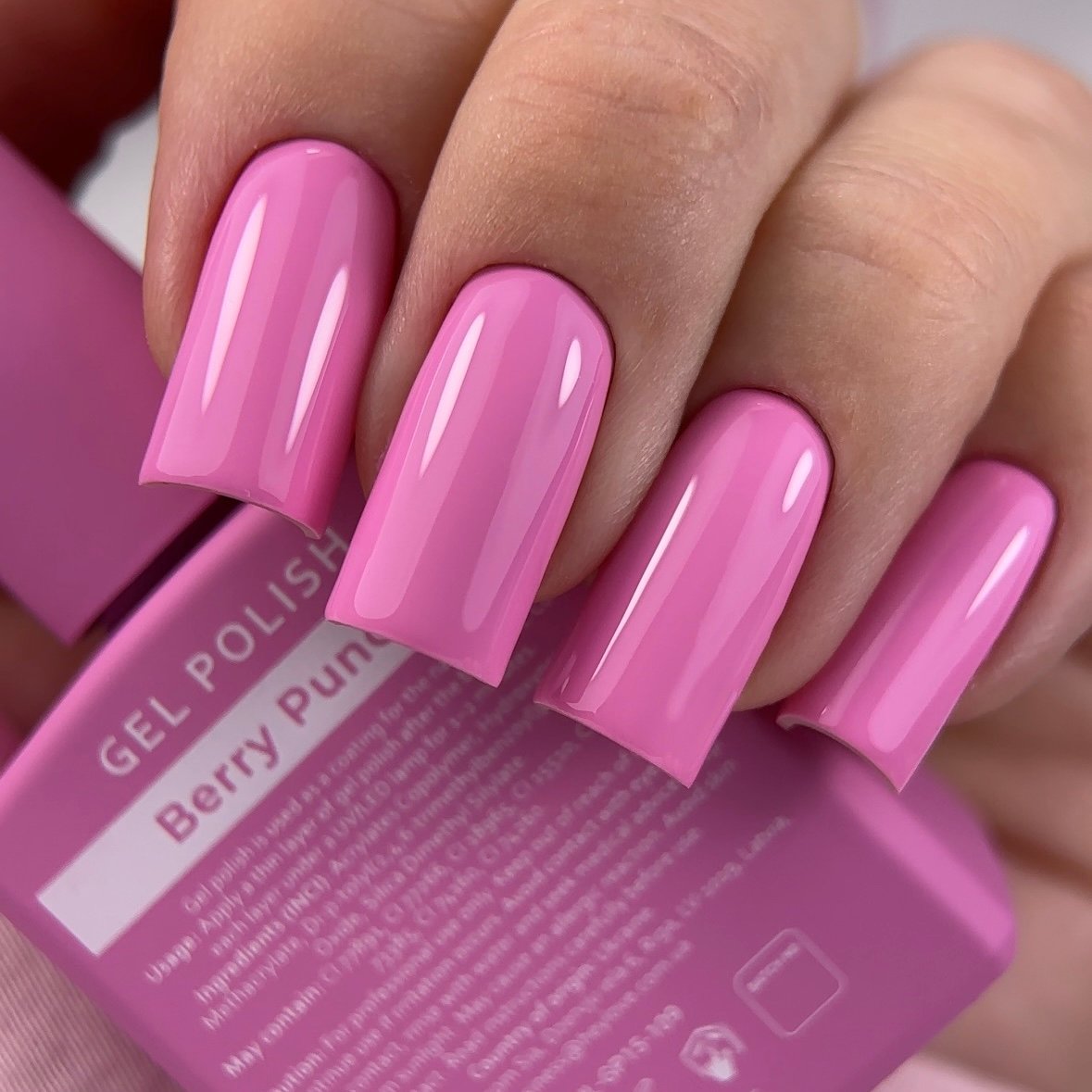
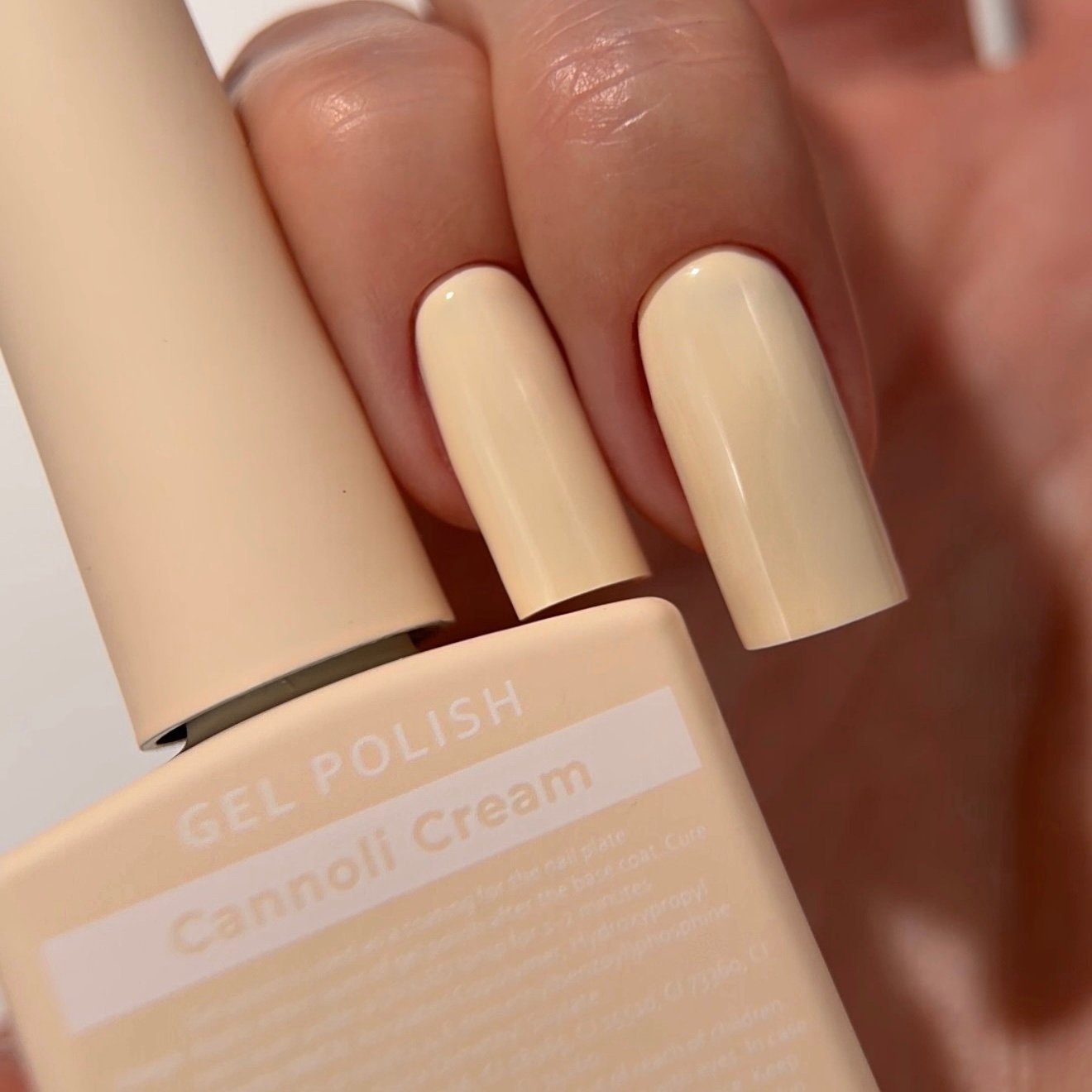
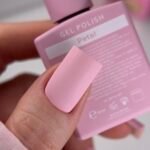
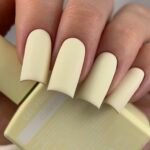
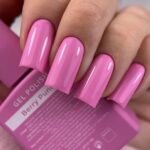
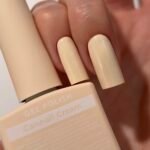
The gel polishes feature a new formula:
• highly pigmented and full coverage
• apply evenly in one thin coat
• have a oil texture during application
• no harsh odor
• self-leveling and do not spread beyond the nail
• free from TPO, but still cure well in standard UV lamps, provided all LEDs are functioning properly
Errors when applying gel polish 👇🏼
❌Applying color to gel/acrylic gel without a thin transparent base layer.
The base not only provides adhesion, but also creates a flat, smooth surface on which the color lies more evenly, without streaks, spots and gaps.
❌Remove the sticky layer from the base before color.
The sticky layer is an oxygen-inhibited layer of partially polymerized oligomers. During the next irradiation, it will further polymerize with the new layer, strengthening adhesion. If you remove it, you will worsen polymerization and adhesion between layers.
❌Excess material on the brush (“flows”).
Thick, uncontrolled layers provoke leakage beyond the contours of the coating. It is better to use a dry brush and add a little material to the nail as needed. Than to apply a lot at once and return the excess to the bottle.
❌Curing in a lamp without stable power/cooling of the diodes and not monitoring its resource.
When the diodes “sag”, the UV density drops - polymerization becomes incomplete.
❌Curing for less than the recommended time (often < 60–120 s).
An under-dried layer “lives” worse, can crack and chip.
❌Applying layers that are too thick (especially pastel).
The layer may remain “wet” inside.
And with each such layer, the architecture of the nail deteriorates.
❌Mixing materials from different systems without a compatibility test.
Different photoinitiators and oligomers may conflict.
Details
| Color | Petal, Berry punch, Gelato, Cannoli cream |
|---|